


Home Battery Australia 2026: What You Need to Know Before You Buy
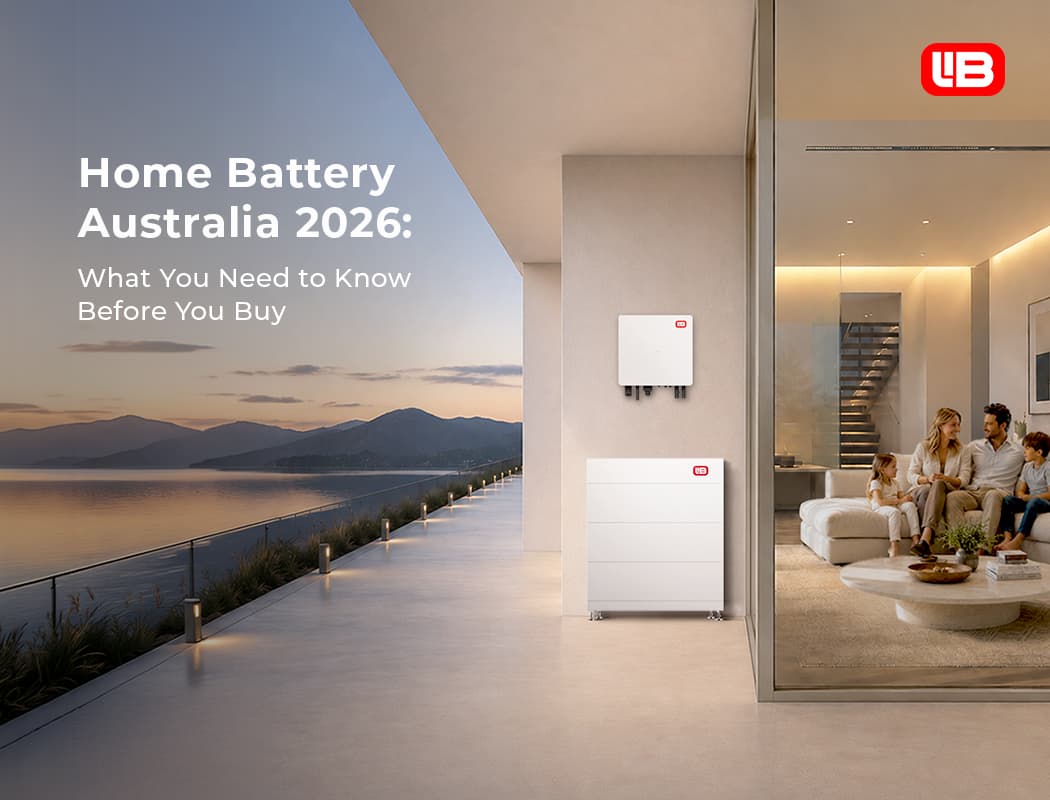
Australia installs more home batteries per capita than almost any country in the world, and for good reason. With 4.2 million homes already generating solar power, sky-high electricity prices, and collapsing feed-in tariffs, the case for storing your own solar energy rather than selling it for a few cents has never been more compelling.
This guide gives you everything you need to make a confident decision about a home battery in Australia in 2026.
Quick Answer: Home Battery Australia 2026
Quick Answer: A home battery in Australia in 2026 costs $10,000 to $18,000 fully installed depending on size and brand. It saves most households $1,500 to $4,200 per year in electricity bills, delivers 4 to 7 year payback, and continues generating returns for the rest of its 10-year warranted life. The LIB HomeStack leads the market on value, starting from $4,999 including the hybrid inverter.
Why Now Is Still a Good Time to Buy a Home Battery in Australia
The federal rebate has tapered, but the fundamentals driving home battery adoption have not changed, they have strengthened. Australian electricity prices have risen over 20% in two years. Feed-in tariffs have fallen to as low as $0.03/kWh in some states. The spread between what homeowners sell solar for and what they pay to buy it back has never been wider. Every year without a battery costs a solar household several hundred to over a thousand dollars in avoidable electricity costs.
Additionally, the Australian government has announced a forthcoming policy allowing home battery owners to access approximately 3 hours of free overnight grid charging per day which is a further financial benefit that compounds the self-consumption savings and is only available to homes with a battery installed.
What Home Battery Size Do You Need?
The right home battery size depends on your overnight electricity consumption which is the electricity you draw from the grid between sunset and sunrise. As a starting guide: a 3–4 person household typically uses 8–14 kWh overnight, making the LIB HomeStack I (16 kWh) from EnergyLIB a strong fit. Larger households with EV charging or ducted air conditioning typically benefit from the 32 kWh LIB HomeStack II.
If you are unsure, start with the LIB HomeStack I from EnergyLIB. The modular design means you can expand to 32 kWh when your needs grow whether that is driven by an EV purchase, the free government charging policy, or simply wanting more blackout protection over time.
State-by-State: Where Home Batteries Make the Most Sense
| State | Peak Grid Rate | Typical FiT | Home Battery Verdict |
|---|---|---|---|
| SA | $0.38–$0.45/kWh | $0.04–$0.06/kWh | Strongest case in Australia |
| NSW | $0.32–$0.38/kWh | $0.04–$0.06/kWh | Very strong |
| QLD | $0.32–$0.38/kWh | $0.05–$0.08/kWh | Strong |
| VIC | $0.28–$0.33/kWh | $0.03–$0.05/kWh | Strong |
| WA (Synergy) | $0.27–$0.31/kWh | $0.03–$0.07/kWh | Moderate — assess carefully |
FAQs
Is a home battery worth it in Australia without the rebate?
Yes, for most households. Home batteries in Australia deliver 15–25% annual ROI through electricity bill savings at current electricity prices. The rebate improved the upfront cost equation but the annual savings, which is what drives the long-term return, are unchanged. Rising electricity prices mean those savings grow each year.
How long does a home battery last in Australia?
Quality LFP home batteries like the LIB HomeStack are rated for 8,000+ cycles, translating to approximately 22 years of daily use. The standard warranty period is 10 years. Most batteries will continue delivering useful savings beyond the warranty period.
Australia's Purpose-Built Home Battery — The LIB HomeStack
EnergyLIB is Australia's first home energy brand designed exclusively for the home. 16, 32, or 48 kWh. Modular and expandable. Hybrid inverter included. Installed by CEC accredited Autra Batteries Australia.
🏠 Australia's first home-exclusive energy brand.
⚡ Expandable — start at 16 kWh, grow when you're ready.
✅ Ready for free government off-peak charging.