


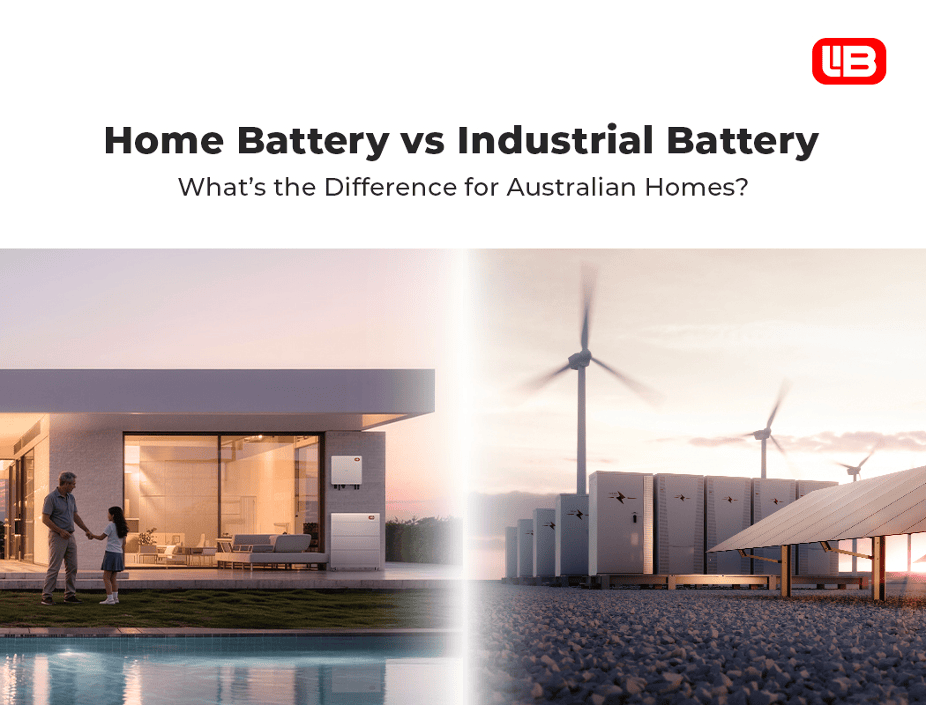
Home Battery vs Industrial Battery: What’s the Difference for Australian Homes?
If you’ve been looking into a solar battery for your family home, you’ve probably noticed something confusing: some batteries are made for houses, while others were built for factories, warehouses, or large commercial sites. They can look similar. In real life, they’re designed for very different jobs.
Home battery vs industrial battery: the practical differences
1) Designed for people vs designed for sites
A domestic solar battery is designed around how homes actually use energy: mornings, evenings, weekends, and “everyone’s home at once” moments. Industrial batteries are designed around site operations: steady loads, equipment start-up, and business uptime.
2) Size, look, and where it can be installed
Home systems are made to blend into residential spaces. A typical solar battery for house is:
- More compact
- Designed to look clean and unobtrusive
- Intended for safe installation around a home environment
Industrial batteries are often larger, heavier, and may require dedicated plant-room style space or site-style installation planning.
If you’re planning a neat solar battery installation for a family home, residential design matters more than most people expect.
3) Noise and “living next to it”
In a home, you don’t want a battery that sounds like equipment. Many residential household solar batteries focus on quiet operation because they may be installed near living areas, pathways, or outdoor spaces you use every day.
4) Safety approach
Both types can be safe, but they’re built for different environments. A home solar and battery setup is designed with everyday household conditions in mind—kids around, pets around, neighbors nearby, and a need for simple, clear status indicators. Industrial systems may assume trained operators, restricted access zones, and different safety processes.
For most homeowners, “safe for a site” is not the same as “safe and comfortable for a home.”
5) How they handle everyday energy use
Homes don’t use energy like factories. A residential solar and battery system is typically designed to:
- Store solar during the day
- Support the evening peak (lighting, cooking, heating/cooling)
- Help reduce reliance on grid power when tariffs rise
Industrial batteries are often configured for larger and steadier demand profiles, sometimes across multiple circuits or heavy machinery.
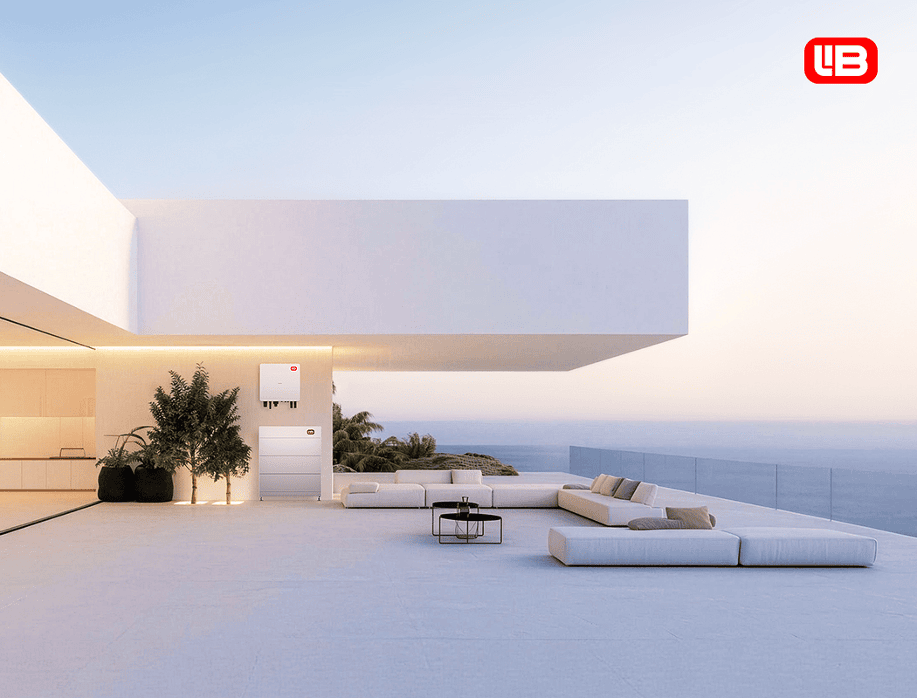
The solar power batteries for home are designed around real household life—quietly supporting your home in the background, without making your home feel like a worksite. If you’re exploring house solar options or planning solar installation home, focus on solutions that are clearly built for residential use—because “made for homes” usually means a better day-to-day experience.
LIB is a home energy brand, only for the home—focused on helping Australian households store and use their own solar energy with confidence. If you’re considering a home battery for everyday family life, LIB HomeStack is designed as a home solar and battery system that fits naturally into residential living, so your home can capture solar during the day and use it when it matters most.