


NSW Battery Rebate 2026: How to Stack Incentives Before the Window Closes
If you live in New South Wales and you've been researching home battery pricing recently, you've probably noticed the numbers seem confusingly good. That's because NSW is one of the few states where two separate incentive programs, driven by the Australian Government and federal government, can be combined on a single battery purchase. The federal Cheaper Home Batteries Program provides an upfront STC discount of around 30% as part of broader government-led initiatives to support renewable energy adoption.
At EnergyLIB, we're Australia's first home energy brand designed exclusively for the home. The LIB HomeStack is CEC approved, VPP-capable, and eligible for both the federal rebate and the NSW PDRS VPP incentive. This guide explains exactly how both programs work in 2026, how to claim them together.
Quick Answer: NSW Battery Rebates Available in 2026
- Federal Cheaper Home Batteries Program: ~30% upfront discount via STCs. Approximately $300-$340 per usable kWh. Applied at point of sale by your installer.
- NSW PDRS VPP Incentive (BESS2): Upfront cash-back for connecting your battery to an approved Virtual Power Plant. Up to ~$970 depending on battery size and VPP provider.
- Can you stack them? Yes. The federal STC rebate and the NSW PDRS VPP incentive are separate programs and can be combined on the same installation.
- Old BESS1 upfront rebate: No longer available. Removed from PDRS when the federal program launched in July 2025.
- Key deadline: Federal rebate tapers from 1 May 2026. The STC factor reduces and new capacity tapering tiers apply to larger batteries.
Incentive 1: The Federal Cheaper Home Batteries Program (STCs)
This is the big one. The federal battery rebate, administered by the federal government as part of the federal battery scheme, works through small-scale technology certificates (STCs) under the Small-scale Renewable Energy Scheme (SRES). This federal solar battery rebate is available to all homeowners in Australia without means testing, and owners of multiple eligible properties can apply for a rebate at each location, provided each property has its own electricity meter.
To qualify for the NSW battery rebate, the battery system must also meet specific eligibility criteria: it must be new, listed on the Clean Energy Council's approved list, and installed by an accredited professional. Both federal and NSW rebates have their own eligibility criteria, so it's important to check requirements before proceeding with your battery installation.
How Much Is the Federal Rebate Worth?
At the current STC factor of 8.4 per usable kWh (before 1 May 2026), the federal battery rebate is calculated per kilowatt hour of usable capacity, providing an upfront discount of approximately $311 per usable kWh. This significantly reduces battery prices and improves affordability for NSW households considering solar storage.
For the LIB HomeStack configurations, this translates to:
| Metric | LIB HomeStack I | LIB HomeStack II | LIB HomeStack III |
|---|---|---|---|
| Usable capacity | 16.08 kWh | 32.15 kWh | 48.23 kWh |
| Federal rebate (pre-1 May) | ~$5,000 | ~$10,000 | ~$15,000 |
| Federal rebate (post-1 May est.) | ~$4,200 | ~$6,800 | ~$7,800 |
| Difference | ~$800 | ~$3,200 | ~$7,200 |
The federal battery rebate is based on Small-scale Technology Certificates (STCs), and from 1 May 2026, the STC factor will taper. This means systems sized 0 to 14 kWh will receive higher rebates per kilowatt hour compared to larger units, and larger system sizes will see a greater absolute reduction in total rebate after this date.
What Changes on 1 May 2026?
From 1 May 2026, two things happen simultaneously that reduce the value of the federal rebate:
- The STC deeming period factor reduces (meaning fewer STCs per kWh), and will continue reducing twice yearly through 2030.
- Capacity tapering tiers are introduced: the first 14 kWh of usable capacity receives the full STC factor, 14 to 28 kWh receives 60%, and 28 to 50 kWh receives just 15%.
For a 16 kWh battery, the impact is modest (the first 14 kWh still gets the full rate, only 2 kWh at the reduced tier). For a 32 or 48 kWh battery, the impact is significant, potentially adding thousands to the net cost. NSW homeowners planning larger battery systems have the most to gain by installing before the deadline.
Incentive 2: The NSW Peak Demand Reduction Scheme (PDRS) VPP Incentive
The Peak Demand Reduction Scheme is a NSW Government initiative designed to reduce electricity demand during peak periods (typically summer evenings when the grid is under stress). Battery installations connected to Virtual Power Plants (VPPs) play a crucial role in supporting grid stability and the electricity grid during these peak demand times. The scheme works through tradable peak reduction certificates (PRCs) that create a financial incentive for technologies and behaviours that cut peak demand.
How the PDRS Battery Incentive Works in 2026
Since the federal battery program launched in July 2025, the NSW PDRS battery incentive has been restructured. The original BESS1 activity (upfront rebate for installing a battery) was removed to avoid stacking two upfront discounts on the same purchase. In its place, the BESS2 activity (VPP connection incentive) was substantially increased.
Here's how it works: when you connect your new battery to an approved virtual power plant (VPP) through an Accredited Certificate Provider (ACP), the ACP generates peak reduction certificates based on your battery's ability to reduce demand during peak windows. The value of those certificates is passed to you as an upfront discount, cash-back, or bill credit.
How Much Is the PDRS VPP Incentive Worth?
The value of the PDRS VPP incentive depends on your battery size and the ACP/VPP provider you connect with. Based on current PRC pricing and provider offerings:
- Typical range: $400 to $970 for residential batteries up to 28 kWh.
- Some VPP providers (e.g. Amber Electric's SmartShift) have advertised up to $970 for eligible batteries.
- The incentive is capped at 28 kWh of usable battery capacity under the PDRS scheme.
- Batteries larger than 28 kWh can still participate, but the incentive is calculated on the first 28 kWh only.
- The incentive is paid upfront or shortly after VPP connection, not as an ongoing payment (ongoing VPP revenue is separate).
PDRS Eligibility Requirements
Not all batteries qualify for the NSW PDRS incentive. The eligibility criteria are specific:
- The battery must have a usable capacity between 2 kWh and 28 kWh.
- The battery must be listed on the PDRS approved product list (specified by the scheme administrator).
- Minimum 6 years remaining on the manufacturer's warranty at installation.
- At least 70% of usable capacity must be retained 10 years from installation.
- Minimum ambient temperature range of -10°C to 50°C.
- Minimum energy throughput: 3.65 MWh per kWh of usable capacity (post April 2026).
- The battery must be connected to an approved VPP through an Accredited Certificate Provider.
- Property must be grid-connected in NSW (off-grid properties are not eligible for PDRS).
Financial support for New South Wales battery storage includes incentives for batteries installed with new or existing solar panel systems. Homeowners with an existing solar panel system can add a battery and still qualify for these incentives.
The LIB HomeStack I (16.08 kWh) meets all of these requirements. The HomeStack II (32.15 kWh) and III (48.23 kWh) exceed the 28 kWh cap, so the PDRS incentive is calculated on the first 28 kWh only. All three configurations carry a 10-year warranty with 70% capacity retention and operate across the required temperature range.
How to Stack Both Incentives on One Battery Purchase
This is the part that confuses most NSW homeowners. Yes, you can claim both the federal battery scheme and the NSW solar battery rebate. No, it's not double-dipping. Here's the step-by-step process for stacking multiple rebates on a single battery installation in NSW:
Step 1: Choose a CEC-Approved, VPP-Capable Battery
Your battery must be on the CEC approved product list (for the federal rebate) and on the PDRS approved list (for the NSW incentive). It must also be VPP capable with active communications protocols. The LIB HomeStack meets all of these requirements.
Step 2: Get Quotes from Accredited Installers
Your installer must be accredited through Solar Accreditation Australia for the federal rebate. For the PDRS, the VPP connection must be facilitated through an Accredited Certificate Provider (ACP). Using an accredited installer is a key part of the eligibility criteria for both federal and NSW battery rebate programs, ensuring your installation meets government requirements. Some installers handle both. Others work with specific ACPs. Confirm both are covered before signing.
Step 3: Federal STC Rebate Applied at Point of Sale
Your installer assigns the small-scale technology certificates to themselves (or a registered agent) and applies the discount directly to your invoice. You see the reduced price on the quote. The STC value is based on the date the Certificate of Electrical Compliance (CoC) is signed, not the date you sign the contract.
Step 4: Connect to a VPP and Claim the PDRS Incentive
After installation, your battery is connected to an approved virtual power plant program. Connecting your battery to a VPP helps support grid stability and the electricity grid, and VPP incentives reward you for participating in these programs. The ACP generates peak reduction certificates and passes the value to you as a cash-back, upfront discount, or bill credit. Some VPP providers handle the PDRS claim process as part of their sign-up.
Step 5: Ongoing VPP Revenue (Separate from PDRS)
Beyond the one-off PDRS incentive, participating in a VPP generates ongoing revenue from your battery storage system. In addition to these payments, joining a VPP can help reduce power bills and electricity bills by optimizing when your battery charges and discharges, contributing to greater solar savings over time. When the grid needs support during peak demand events, your battery exports stored energy and you earn payments from the VPP operator.
Total NSW Savings: Federal + PDRS + VPP Combined
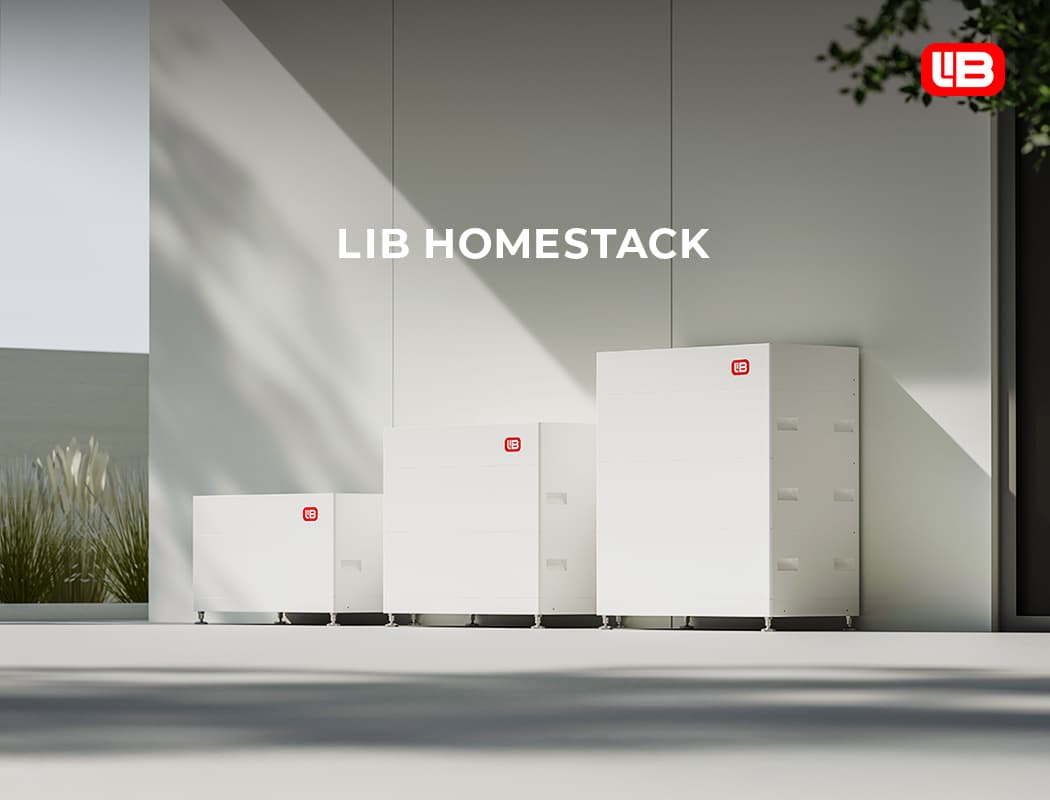
Here's what the combined incentive stack looks like for each LIB HomeStack configuration installed in NSW before 1 May 2026:
| NSW Incentive Stack | LIB HomeStack I | LIB HomeStack II | LIB HomeStack III |
|---|---|---|---|
| Bundle price (with LIB inverter) | $4,999 | $6,999 | $8,499 |
| Est. installation | ~$6,000 | ~$8,000 | ~$9,500 |
| Total before incentives | ~$11,000 | ~$15,000 | ~$18,000 |
| Federal STC rebate (pre-1 May) | -$5,000 | -$10,000 | -$15,000 |
| NSW PDRS VPP incentive (est.) | -$550 to -$970 | -$970 (on 28 kWh) | -$970 (on 28 kWh) |
| Est. annual VPP revenue | $100-$400/yr | $200-$400/yr | $200-$400/yr |
| Net cost after all incentives | ~$5,000-$5,450 | ~$4,000-$4,400 | ~$2,000-$2,500 |
The LIB HomeStack I delivers the cleanest incentive stack because it sits comfortably within the 28 kWh PDRS cap. The LIB HomeStack II and III exceed the cap, so the PDRS VPP incentive is calculated on 28 kWh only, though the federal rebate applies to the full usable capacity (up to 50 kWh) before the 1 May taper.
| NSW Deadline Alert: Why 1 May 2026 Changes Everything |
|---|
| Before 1 May 2026: Full STC factor on all usable capacity. No tapering tiers. Maximum federal rebate stacked with PDRS VPP incentive. |
| After 1 May 2026: STC factor reduces. Tapering applies (14-28 kWh at 60%, 28-50 kWh at 15%). Larger batteries see the biggest cost increase. |
| PDRS outlook: The NSW Government slashed the 2026-27 PDRS target from 7.5% to 0.5%. PRC prices dropped. The long-term value of the PDRS incentive is uncertain. Claim it now while the program is active. |
| Lead time: Site assessment, quote, DNSP grid approval, and install scheduling take weeks. If you want to install before 1 May, book your assessment now. |
Three Things NSW Homeowners Often Get Wrong About Battery Rebates
1. "The NSW Government Gives You a Battery Rebate"
Not exactly. The old BESS1 upfront battery install rebate under the PDRS was removed in July 2025 when the federal program launched. The main battery rebate is now provided by the Australian Government and federal government through the national STC scheme, which applies across all states. The NSW government offers a VPP connection incentive (BESS2) through the PDRS, which is a separate, state-level bonus. So, the big upfront discount comes from the federal battery rebate, while the NSW-specific benefit is the PDRS VPP incentive layered on top.
2. "I Have to Choose Between Federal and State"
No. You can claim both. The federal battery scheme and solar battery rebate are separate from the NSW incentive and can be combined to maximise your savings. The federal STC rebate is applied at point of sale by your installer, while the NSW PDRS VPP incentive is claimed separately through an Accredited Certificate Provider when you connect your battery to a virtual power plant. These incentives are complementary, not competing, and claiming one does not disqualify you from the other.
3. "The PDRS Incentive Is Guaranteed Long-Term"
The NSW Government recently slashed the PDRS target for 2026-27 from 7.5% to 0.5% in response to PRC market instability caused by the federal program's launch. PRC prices have dropped. The long-term future of the battery component of the PDRS is uncertain. Claiming the NSW incentive now, while the program is active and PRC prices still support meaningful discounts, is the pragmatic approach.
Claim Your NSW Battery Rebate Stack Before the Federal Discount Drops
The LIB HomeStack is CEC approved, VPP-capable, and eligible for the full incentive stack. Three configurations (16, 32, 48 kWh) to match NSW households of all sizes. LFP chemistry for Sydney's hot summers. 100% depth of discharge so every kWh of capacity translates into savings. 10-year warranty. Installed through accredited installers via Autra Batteries Australia, who are based in NSW and handle the federal STC claim on your behalf.
Book a site assessment through Autra Batteries Australia or contact the EnergyLIB team today. Get the quote, confirm your eligibility for both incentives, and lock in installation before the rebate drops. Your future electricity bills will reflect the decision every quarter for the next decade.
FAQs
Can I get both the federal battery rebate and the NSW PDRS incentive?
Yes. The federal battery scheme and the NSW PDRS VPP incentive are separate programs that can be stacked on a single battery purchase, subject to eligibility criteria. The federal solar battery rebate is applied at point of sale by your installer, while the PDRS VPP incentive is claimed separately through an Accredited Certificate Provider when you connect your battery to a Virtual Power Plant. You may be eligible for both, depending on the specific eligibility criteria for each program.
Batteries must be completely new to qualify for the rebate; second-hand units are not eligible. After your battery installation, you need to complete a PDRS Nomination Form, which allows your Accredited Certificate Provider to create Peak Reduction Certificates (PRCs) in your name for the NSW incentive.
The payback period for a high-quality energy storage system can drop from over 10 years to just 6 to 7 years through reduced electricity bills and grid feed-in credits.
What is the NSW Peak Demand Reduction Scheme (PDRS)?
The Peak Demand Reduction Scheme is a NSW Government initiative that uses tradable peak reduction certificates (PRCs) to incentivise technologies that reduce electricity demand during peak periods. For home batteries, the current incentive (BESS2) rewards connecting your battery to a Virtual Power Plant (VPP), supporting grid stability and helping to balance the electricity grid.
Incentive value for the New South Wales battery program is often subject to change based on government updates to the Peak Demand Reduction Scheme (PDRS). In 2026, the New South Wales battery incentive primarily functions as a Virtual Power Plant (VPP) incentive, offering upfront cash rebates for connecting approved solar batteries to a VPP.
Households typically receive about 60% of the gross certificate value after administrative fees in the New South Wales battery incentive program.
Is the LIB HomeStack eligible for NSW battery rebates?
Yes. All three LIB HomeStack configurations are CEC approved battery systems and eligible for the federal Cheaper Home Batteries Program rebate. The LIB HomeStack I (16.08 kWh) falls within the PDRS 2-28 kWh cap and qualifies for the full NSW VPP incentive. The LIB HomeStack II and III exceed 28 kWh, so the PDRS incentive is calculated on the first 28 kWh only.
All three configurations are VPP-capable and support approved VPP provider connections. The LIB HomeStack meets the eligibility criteria for both federal and NSW rebates, making it a suitable choice for new battery installations seeking to maximise available incentives.
The NSW government has shifted from providing direct upfront rebates for battery hardware to a two-part incentive structure that combines a federal rebate with a state incentive for connecting to a Virtual Power Plant (VPP). The NSW government has shifted from providing direct upfront rebates for battery hardware to a two-part incentive structure that combines a federal rebate with a state incentive for connecting to a Virtual Power Plant (VPP).
In 2026, the federal battery rebate will be reduced from $311 per usable kWh to $252 per usable kWh starting May 1, 2026, and will continue to decrease every six months until 2030.
- Australia's first home energy brand built exclusively for the home.
- CEC approved. VPP-capable. Eligible for federal STC rebate and NSW PDRS VPP incentive.
- 100% DoD. 8,000+ cycle LFP chemistry. Engineered for Sydney summers.
- Launch bundle from $4,999 through Autra Batteries Australia (NSW-based).
- Three sizes: 16, 32, 48 kWh. Stackable and modular.
- Autra Batteries handles federal STC claim, installation, and VPP connection support.